
By David Sher
I’m tired of reading the promises.
I’m tired of hearing them, especially during election season. This year, both candidates made the same one.
Now that the election is over, it’s time to act—or stop promising.
My family is preparing to take our annual Thanksgiving trip to San Destin, Florida.
When we buy groceries in Florida, the milk, eggs and bread come with a sales tax of exactly zero.
Florida exempts most groceries, and county sales taxes follow that exemption.
Then we come home to Alabama.
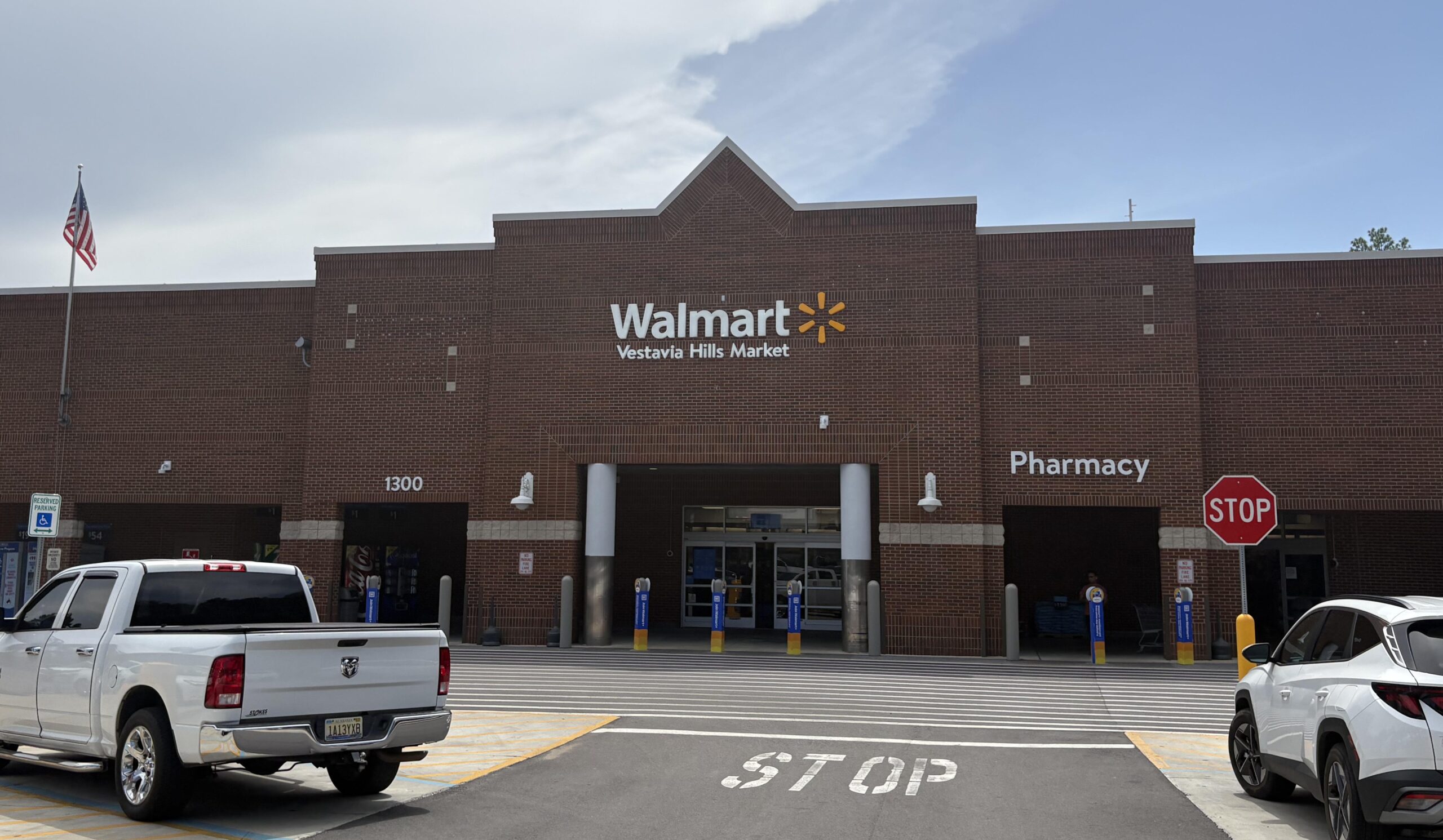
A friend of mine told me he shops at the Walmart Neighborhood Grocery in Vestavia Hills. He asked me why some things on the same receipt were taxed at 8% and others at 10%. Here’s what the grocery side of that receipt showed. On $100 of qualifying groceries, $2 went to the state, $2 went to Jefferson County and $4 went to Vestavia Hills.
Even if Montgomery were to take their $2 off that bill, my friend will still pay $6 in sales tax on $100 of groceries. At the Florida beach, we pay zero.
The Election Gave Us a Chance
Tommy Tuberville and Doug Jones both called for eliminating Alabama’s state grocery tax. Tuberville won. House Speaker Nathaniel Ledbetter says repeal will be a priority in the 2027 legislative session.
Alabama has cut its state sales tax on groceries twice. In September 2023, the rate fell from 4% to 3%. State fiscal analysts projected that the Education Trust Fund would receive $152 million less in fiscal year 2024, the first full fiscal year after that cut. In September 2025, the state lowered the rate again, from 3% to 2%.
For the second cut, state fiscal analysts projected an additional loss of $121.6 million a year to the Education Trust Fund.
Before lawmakers take off the last two percentage points, they should publish a fresh estimate and show how they’ll protect school funding.
The Bigger Tax Is Closer to Home
Hoover once tried to cut its city grocery tax from 3.5% to 3%. The city had to undo the cut because state law at the time required a 25% reduction. That would have taken the rate all the way down to 2.625%. In 2025, the Legislature removed that restriction, giving cities and counties room to lower their grocery taxes.
Paying for the cut is another matter. The Public Affairs Research Council of Alabama found that Alabama local governments get about half their tax revenue from sales and gross receipts taxes. And raising local property tax rates generally requires approval from local officials, the Legislature and voters. A city may want to cut its grocery tax and still need that money to pay for firefighters and maintain streets.
How Do We Get to Zero?
In 2027, the governor and Legislature should repeal the state grocery tax with a plan to protect education funding. In the same session, they should set a date for a statewide exemption that covers city and county taxes, too.
Start by publishing how much each city and county collects on groceries and what the money pays for. Then give local governments a way to replace it. The state could share a portion of its existing sales tax on other purchases or give local voters more say over how to fund local services. Phase out the local tax as those replacements come into place.
Here in greater Birmingham, our mayors and county commissioners could start by putting those numbers on the table together. How much would each community need to get to zero? What would it take from Montgomery?
Thanksgiving is almost here.
Time to head to the grocery store.
Politicians keep promising to get rid of the grocery tax. We keep reading about Alabama’s goal of getting to zero. Let’s see a plan that protects school funding and gets the state, cities and counties to zero.
It’s time to put up or shut up.
David Sher is the founder and publisher of ComebackTown. He’s past Chairman of the Birmingham Regional Chamber of Commerce (BBA), Operation New Birmingham (REV Birmingham), and the City Action Partnership (CAP).
Care about Birmingham’s future, sign up for ComebackTown newsletter
Invite David to speak for free to your group about how we can have a more prosperous metro Birmingham. dsher@comebacktown.com





A way past due action needed to remove this very regressive tax. I am a proponent of our state and municipalities raising property taxes as a much more less regressive tax and a much more stable form of revenue for our schools and communities. Now let’s see what gets done?
Alabama has some of the lowest effective property tax rates in the nation (~0.37%), roughly half of Florida’s average (~0.76%–0.78%). Florida makes up the 0% on groceries by increasing the property taxes.
Here is an idea. Have the mayors and city councilmen open roadside stands to replace the funding from grocery taxes. Otherwise there is the property tax, personal use tax, piggyback payroll tax, liquor tax, etc. There are two constants, school systems need to be supported and citizens will continue to moan and complain regardless. One other possibility…drop school taxes and move to a system whereby parents pay tuition directly to school administrations. Eliminate complaints about having to pay a tax and give the parents free choice as to whether they want their educated or not. For those who continually complain about what their children are taught or exposed to, free choice seems to be the way to go.
Building data centers will more than offset the loss in revenue from the grocery tax. The proposed Mobile data center will generate $1.5 billion in sales tax revenue over 20 years and $100 million a year in new property tax revenue.
The non- grocery sales tax in Florida, combining state and local, is also generally lower than it is in Alabama.